Nazi Germany, 1929-1945 A-Level History Teaching Resources & Student Activities

Nazi Germany, 1929-1945 A-Level Teaching Resources (16-18 Years). Can be used across examination board specifications. Perfect for classroom teaching or the homeschool environment.

Teach any Nazi Germany, 1929-1945 topic, no prep needed!

Do you want to save dozens of hours in time? Get your evenings and weekends back? Be fully prepared to teach any Nazi Germany, 1929-1945 A Level topic?

Every Nazi Germany, 1929-1945 topic is covered, and each module comes complete with:

Lesson Presentation

Revision Notes

Student Activities

teaching

A Level Nazi Germany, 1929-1945 Resources

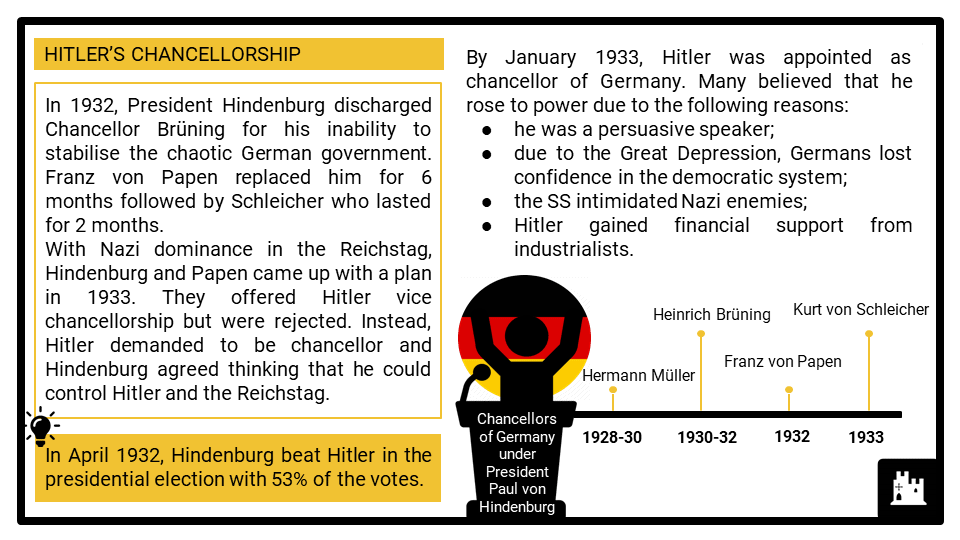
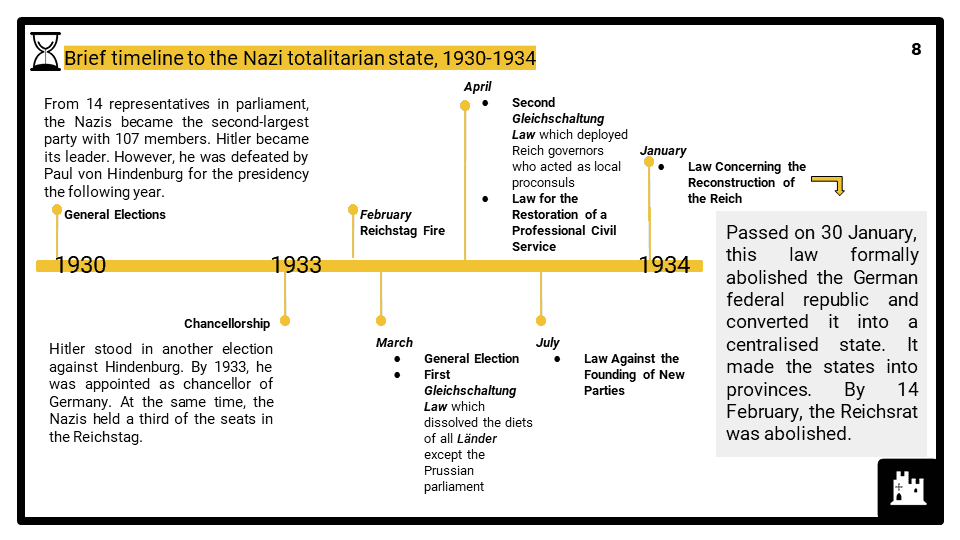
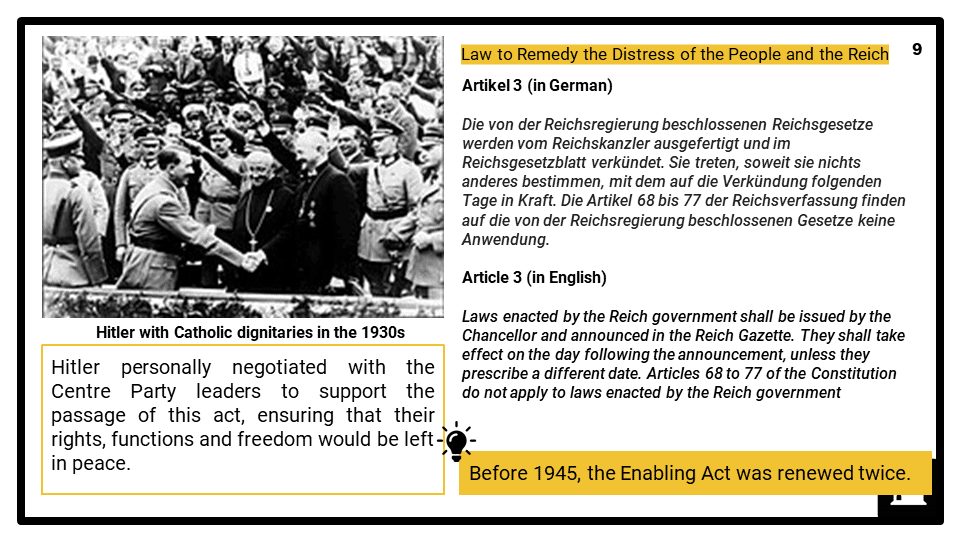
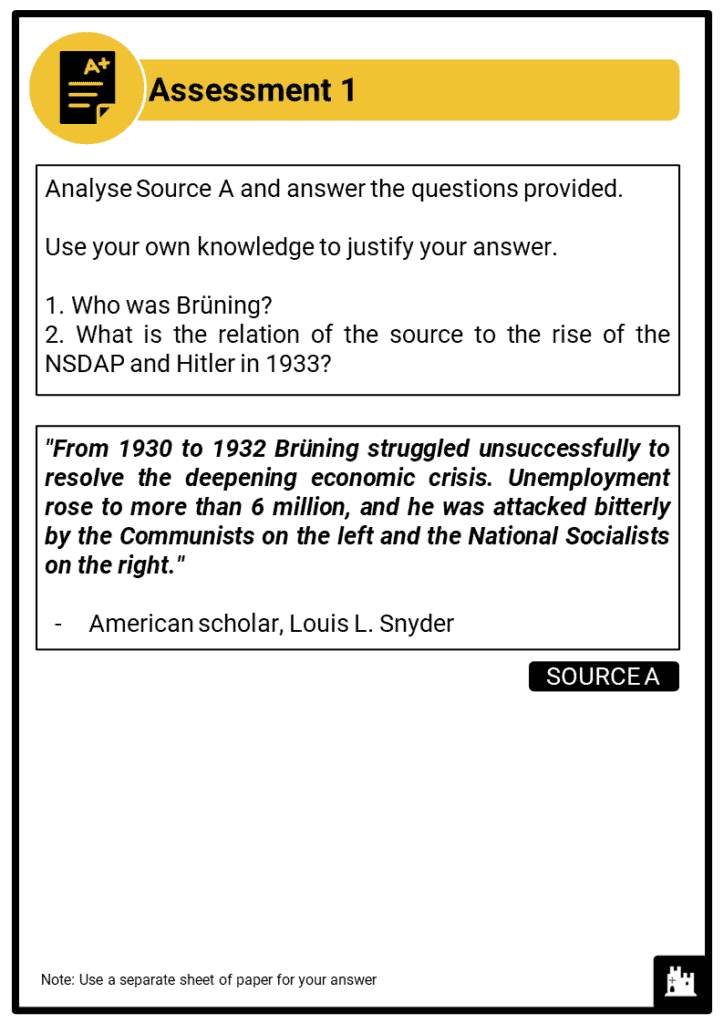
This lesson explores the rise of the Nazi regime and its profound impact on German society. Students will begin by discussing the key events that led to the establishment of Nazi Germany, from the weaknesses of the Weimar Republic to Hitler’s rise to Chancellor in 1933 and the strategies he used to consolidate power, including propaganda, political suppression, and the use of fear.

The focus then shifts to an analysis of Hitler’s economic policies, evaluating their effectiveness in reducing unemployment, rebuilding the military, and preparing Germany for war. Students will consider both the successes of these policies and the hidden costs behind them.

The lesson also assesses the social impact of Nazi rule, particularly on women, young people, and minority groups. Students will investigate how the regime used education, youth movements, and strict gender roles to shape beliefs and behaviour while also examining the persecution of Jews and other targeted groups.

Finally, students will evaluate everyday life under Nazi rule, considering the role of propaganda, censorship, surveillance, and the extent to which ordinary Germans supported or resisted the regime.

At the end of the lesson, the students should be able to:

  • Discuss the events leading to Nazi Germany and Hitler’s consolidation of power;
  • Analyse the effectivity of Hitler’s economic policies;
  • Assess the impact of Nazi policies on women, the young and minorities; and
  • Evaluate the German way of life under the Nazis.

Resource Examples

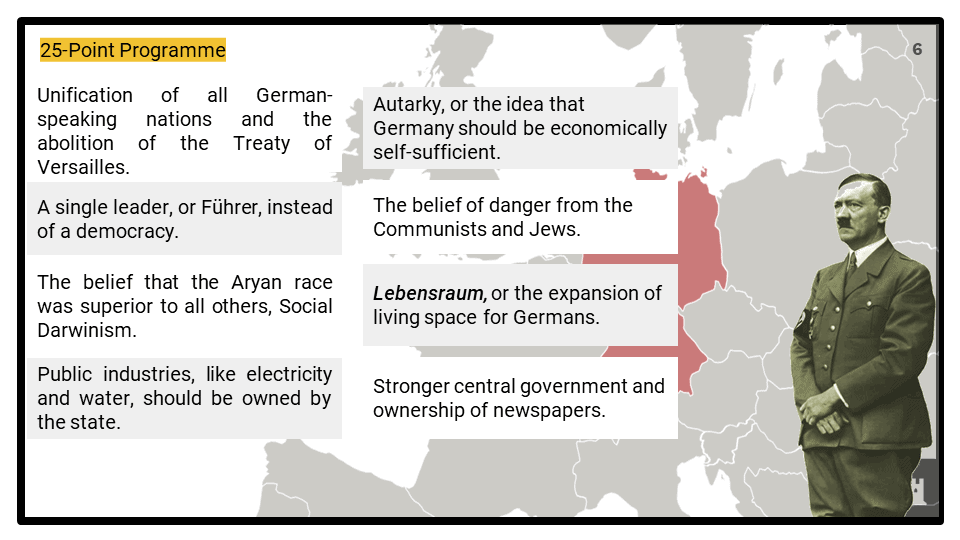
Lesson Presentation:
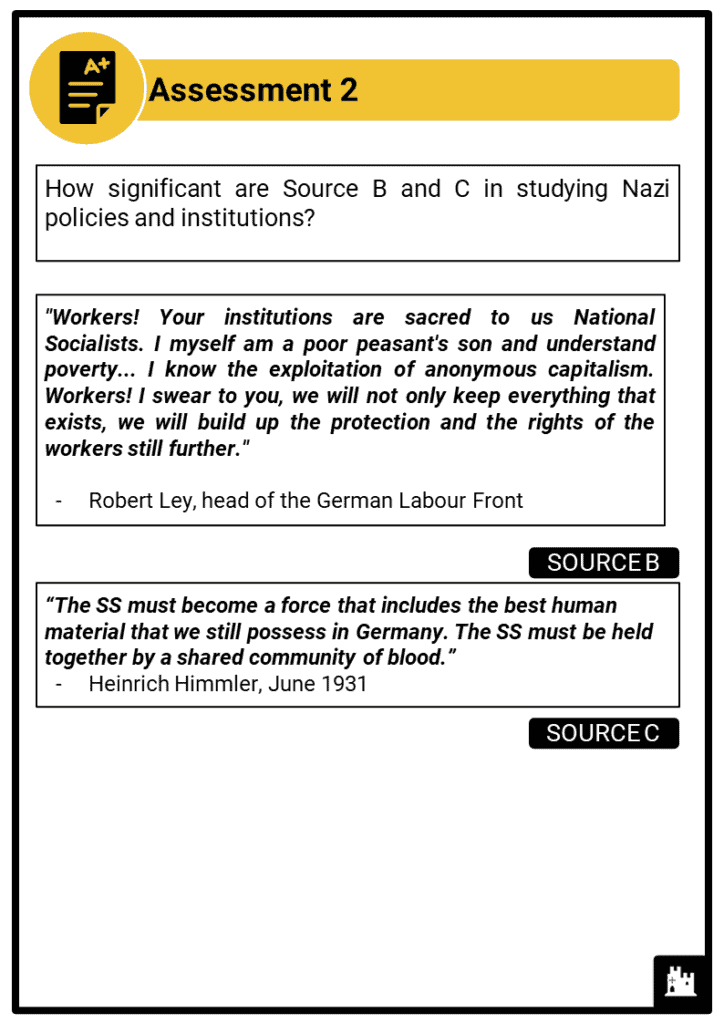
Student Assessment: