Teach any Africans in Roman Britain topic, no prep needed!
Do you want to save dozens of hours in time? Get your evenings and weekends back? Be fully prepared to teach any Africans in Roman Britain KS3 topic?
Every Africans in Roman Britain topic is covered, and each module comes complete with:

KS3 Africans in Roman Britain Resources
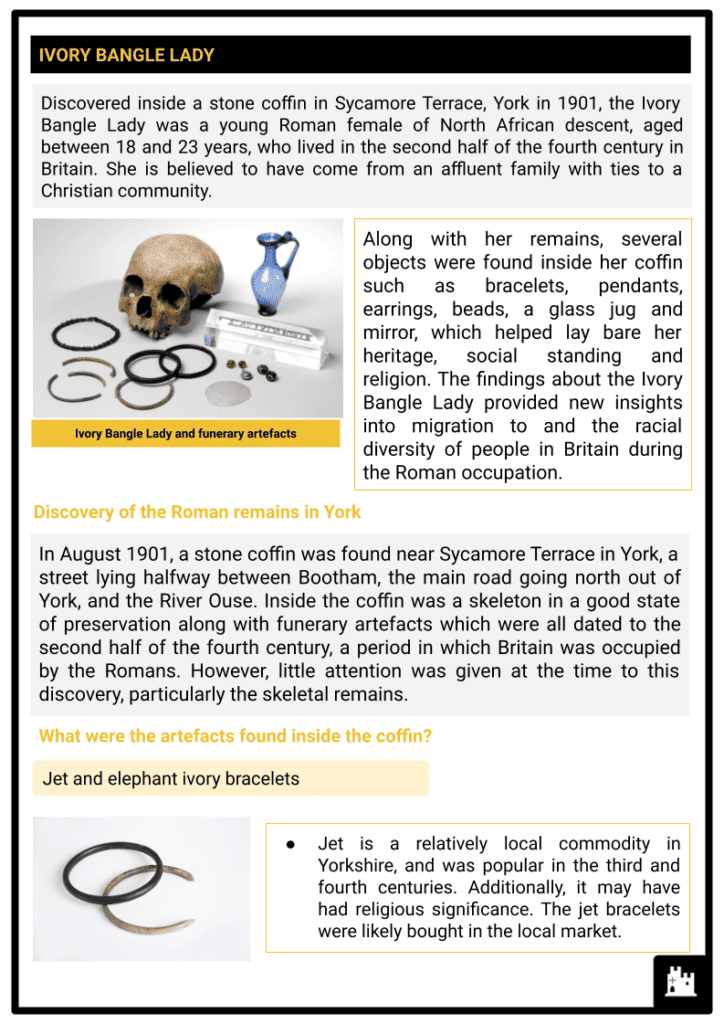
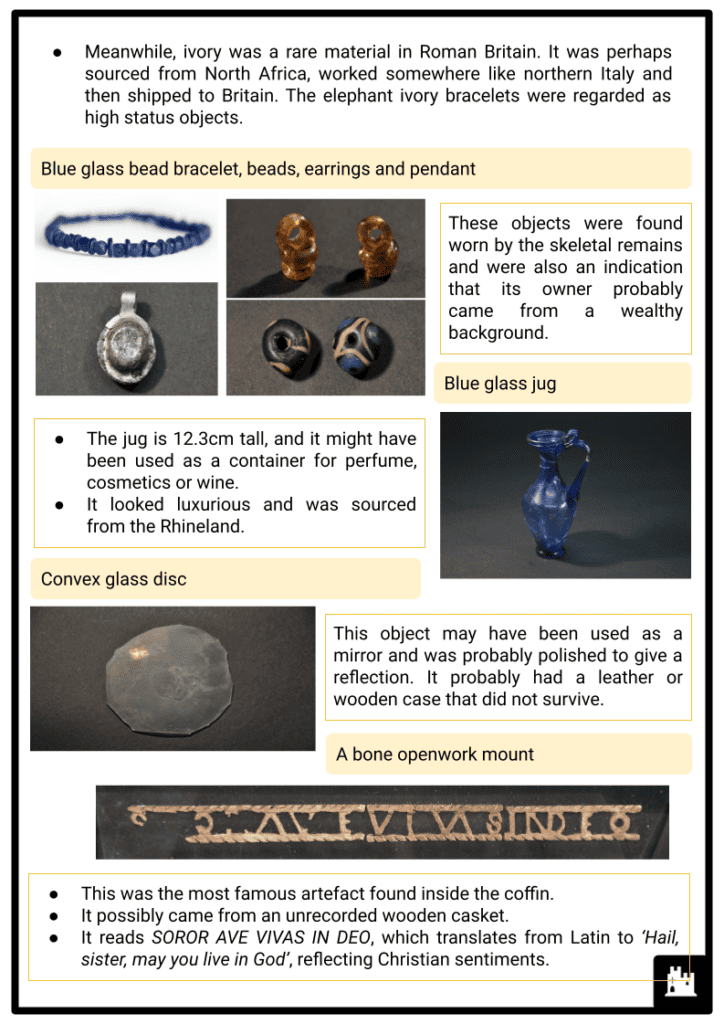
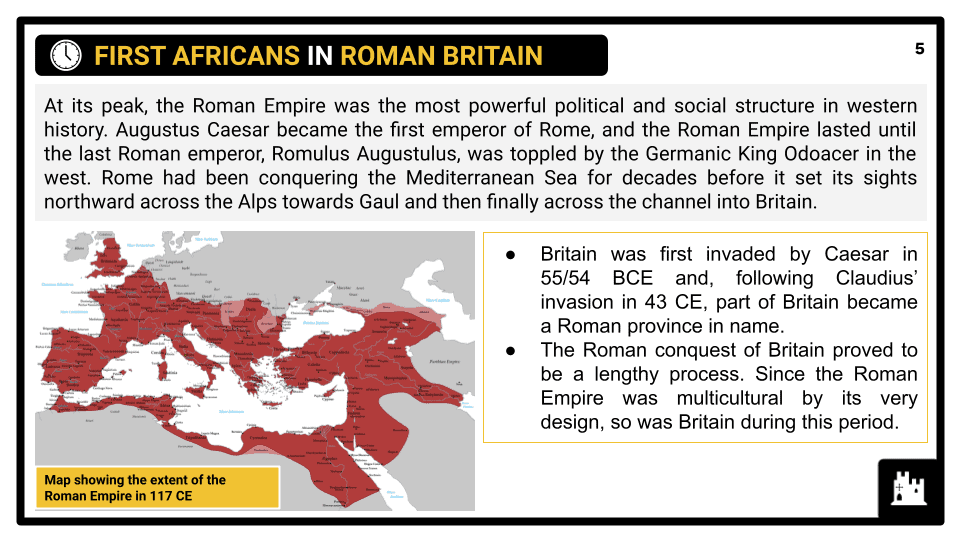
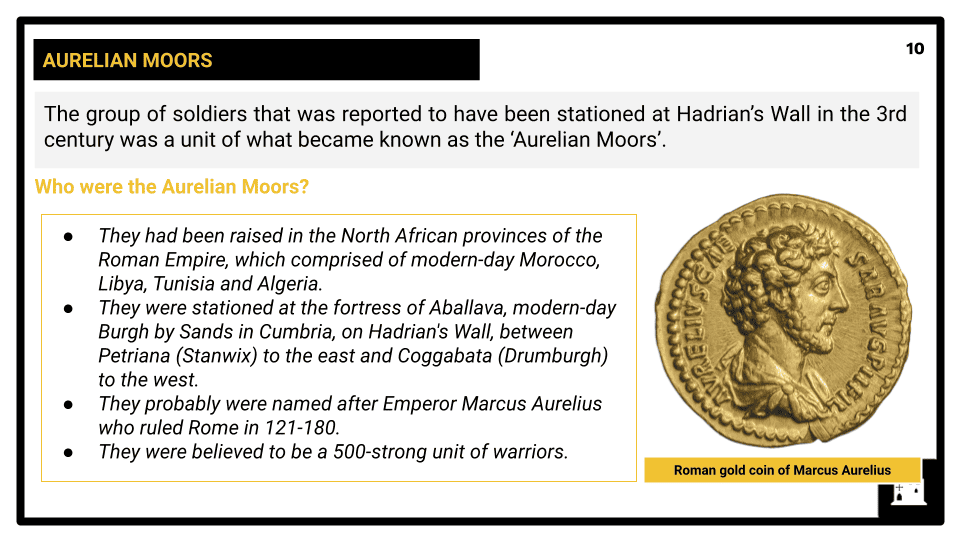
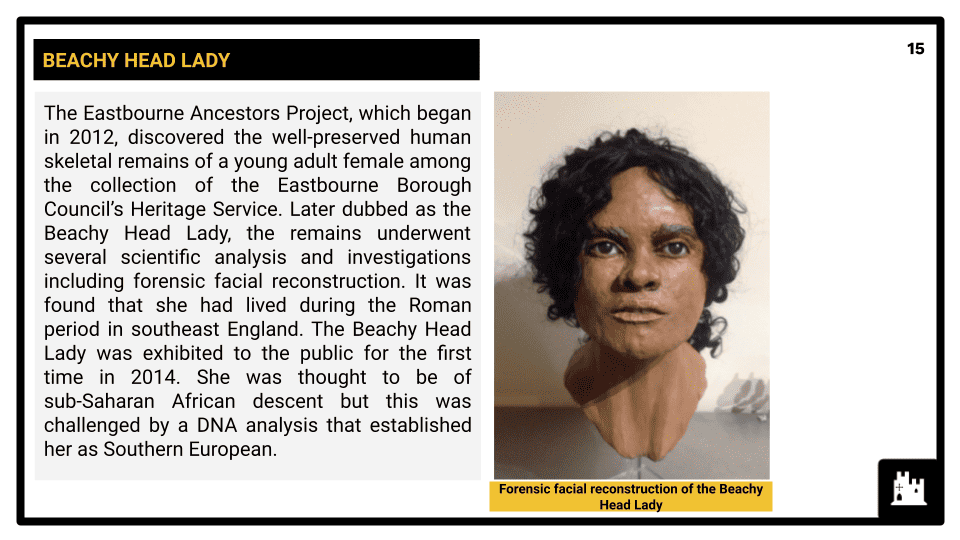
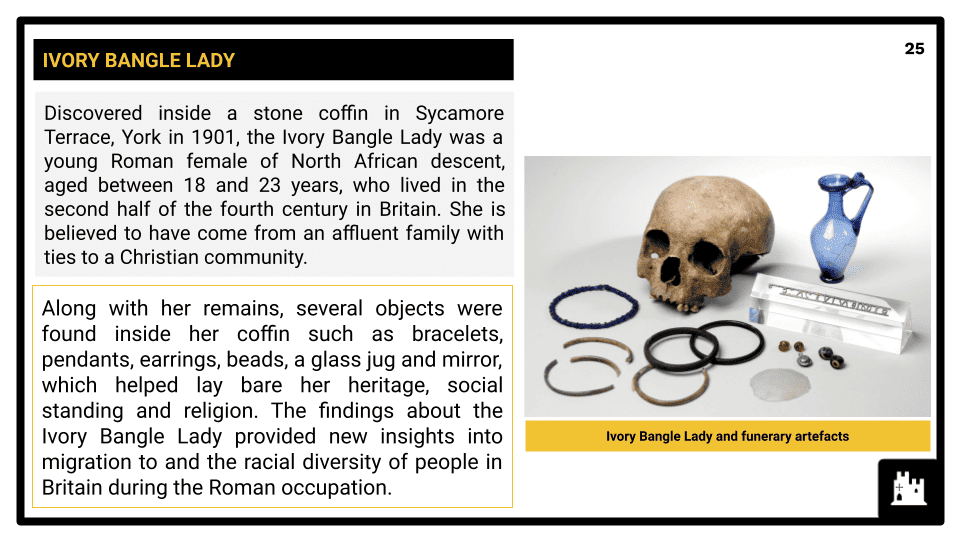
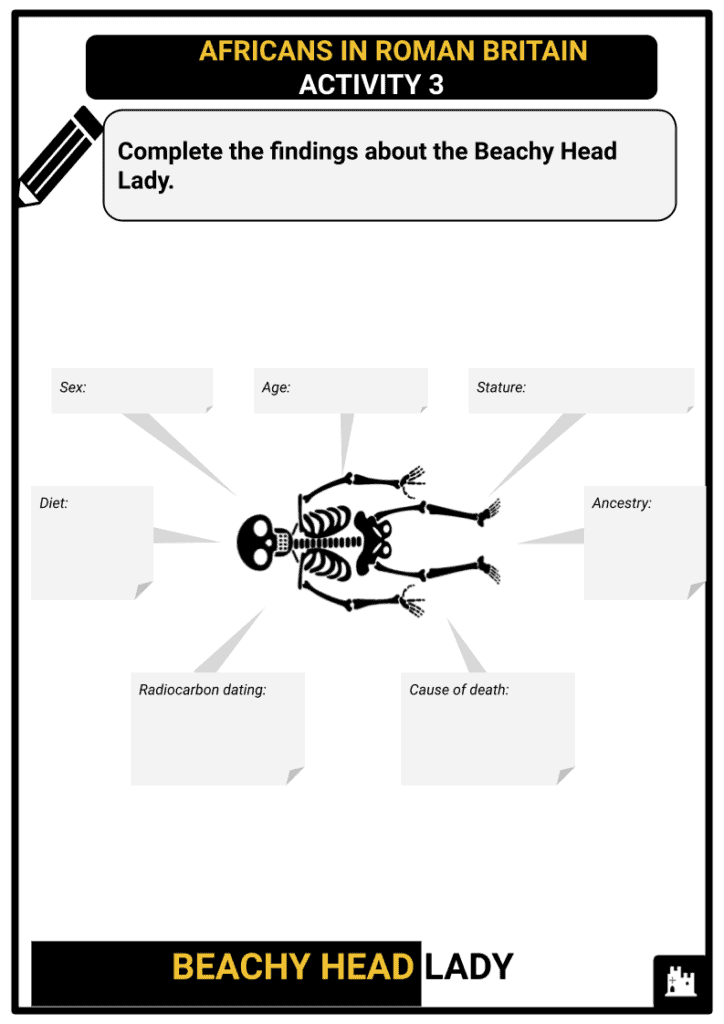
Africans were part of the multicultural society of Roman Britain during the Roman occupation (43 CE onwards). They came as enslaved individuals, traders, soldiers, or free citizens seeking opportunities. Evidence of their presence, such as tombstones, inscriptions, and human remains, exists. Like others, they adopted Roman culture and religion, including early Christianity. While their specific contributions are not well-documented, their presence reflects the diversity of the Roman Empire and its influence in Britain.
Learn more about Africans in Roman Britain through the centuries with our KS3 resources. You’ll find Student Activities, Lesson Presentation, and Revision Notes ready to download below. KS3 resources are ideally suited for Years 7, 8 and 9, or ages 11-14.
Resource Examples
Lesson Presentation:
Student Activities:
Revision Notes: